

မဂ္ဂနီဖီကာ ဟူးမားနီးတပ်စ် (Magnifica Humanitas) သဝဏ်လွှာ အကျဉ်းချုပ်

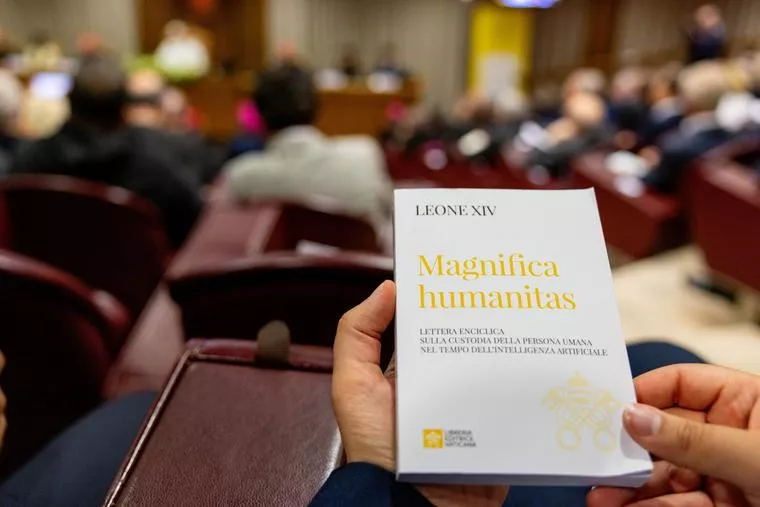
ဉာဏ်ရည်တုခေတ်တွင် လူသားတစ်ဦးချင်းစီအား ကာကွယ်စောင့်ရှောက်ခြင်းဆိုင်ရာ ပုပ်ရဟန်းမင်းကြီး လီယို (၁၄) (Pope Leo XIV) စာချွန်တော်
အဓိက အချက်များ
လူသား၏ ဂုဏ်သိက္ခာ – အတူတကွ ပေါင်းစပ်နေထိုင်ခြင်းဆိုင်ရာ ယဉ်ကျေးမှု – သာသနာတော်၏ လူမှုရေးဆိုင်ရာ သွန် သင်ချက် – လူသားဆန်မှု၏ စစ်မှန်သော ဖော်ပြချက်များဖြစ်သည့် ကန့်သတ်ချက်များ၊ ထိခိုက်လွယ်မှုများနှင့် ဆက်ဆံ ရေးများ – ဘုံအကျိုးစီးပွား၊ လူ့အခွင့်အရေးနှင့် ဘက်စုံလူသားဖွံ့ဖြိုးတိုးတက်မှု – ဒီဂျစ်တယ်ကူးပြောင်းမှုခေတ်တွင် လုပ်ငန်းခွင်၊ သစ္စာတရားနှင့် လွတ်လပ်ခွင့် – မညီမျှမှု ပုံစံသစ်များ၊ ထိန်းချုပ်မှုနှင့် နည်းပညာသုံး စစ်မက်ပြုခြင်း – အာဏာစိုးမိုးရေး ယဉ်ကျေးမှု၏ အခြားရွေးချယ်စရာ ဖြစ်သော မေတ္တာတရား အခြေခံသည့် ယဉ်ကျေးမှု
ခြုံငုံသုံးသပ်ချက်
Magnifica Humanitas သည် ခေတ်ကာလ၏ ကြီးမားလှသော အပြောင်းအလဲကြီးကို အသိအမှတ်ပြုလျက်၊ ဉာဏ်ရည် တုခေတ်တွင် လူသားတစ်ဦးချင်းစီအား ကာကွယ်စောင့်ရှောက်ခြင်းဆိုင်ရာ အတွေးအမြင်များကို တင်ပြထားပါသည်။ ၎င်းသည် နည်းပညာ တိုးတက်မှုကို လမ်းညွှန်ပေးမည့် စံနှုန်းအဖြစ် လူသား၏ ဂုဏ်သိက္ခာကို ဗဟိုချက်မ၌ ထားရှိပါ သည်။ သာသနာတော်၏ လူမှုရေးဆိုင်ရာ သွန်သင်ချက်သည် ယခုဖြစ်ပေါ်နေသော အသွင်ကူးပြောင်းမှုများကို နားလည် သဘောပေါက်စေရန်နှင့် အဓိပ္ပာယ်ဖွင့်ဆိုနိုင်ရန်အတွက် ဘုံအကျိုးစီးပွား၊ တစ်ဦးနှင့်တစ်ဦး ရိုင်းပင်းကူညီမှုနှင့် နောက် ခံပံ့ပိုးမှု (subsidiarity) တို့ကို အခြေခံစံနှုန်းများအဖြစ် ညွှန်ပြလျက် ဤအပြောင်းအလဲများနှင့်အတူ ဒွန်တွဲ လိုက်ပါလျက် ရှိပါသည်။ စာတမ်းက အာဏာနှင့် စစ်မက်ပြုခြင်း ယဉ်ကျေးမှု၏ အခြားရွေးချယ်စရာအဖြစ် တရားမျှတမှု၊ အပြန် အလှန် ဆွေးနွေးမှုနှင့် မျှဝေခံယူတတ်သော တာဝန်စိတ်တို့အပေါ် အခြေခံသည့် မေတ္တာတရား ယဉ်ကျေးမှုတစ်ရပ်ကို အဆိုပြုထားပါသည်။
အကျဉ်းချုပ်
နိဒါန်း –
ငါတို့ခေတ်ကာလ၏ အသစ်သော ဖြစ်ရပ်များ (The res novae of our time)
Magnifica Humanitas ၏ နိဒါန်းကို နောက်ဆက်တွဲ ဆွေးနွေးချက်တစ်ခုလုံး၏ လမ်းကြောင်းကို သတ်မှတ်ပေးသည့် အစီအစဉ်တကျ ထုတ်ပြန်ချက်ဖြင့် စတင်ထားပါသည်။ လူသားမျိုးနွယ်သည် နည်းပညာ တိုးတက်မှုသက် သက်တင် မကဘဲ ဖွံ့ဖြိုးတိုးတက်မှုနှင့် လူသားတို့ အတူတကွ ယှဉ်တွဲနေထိုင်ခြင်း၏ စစ်မှန်သော အဓိပ္ပာယ်နှင့်ပါ သက်ဆိုင်သည့် သမိုင်းဝင် လမ်းဆုံလမ်းခွသို့ ရောက်ရှိနေပါသည်။ ထို့ကြောင့် စာသားတွင် “ဘုရားသခင် ဖန်ဆင်းတော်မူသော ခန့်ညား ထည်ဝါလှသည့် လူသားမျိုးနွယ်သည် ယနေ့တွင် အဆုံးအဖြတ်ပေးမည့် ရွေးချယ်မှုတစ်ခု၏ ရှေ့မှောက်သို့ ရောက်ရှိ နေသည် – ၎င်းမှာ ဘေဘယ်လ် မျှော်စင်(ဘုရားကိုဆန့်ကျင်ပီးတည်ဆောက်သော မျှော်စင်) အသစ်တစ်ခုကို တည် ဆောက်မလား သို့မဟုတ် ဘုရားသခင်နှင့် လူသားတို့ အတူတကွ ကိန်းအောင်းမည့် သန့်ရှင်းသော မြို့တော်ကို တည် ဆောက်မလား” ဟု ဖော်ပြထားပါသည်။ ဤသို့ ပြတ်ပြတ်သားသား နှိုင်းယှဉ်ပြခြင်းဖြင့် အာဏာနှင့် ကိုယ့်ကိုယ်ကိုယ် ဖူလုံမှုအပေါ် အခြေခံသည့် တည်ဆောက်မှုနှင့် မျှဝေခံယူတတ်သော တာဝန်သိစိတ်နှင့် အတူတကွ ပေါင်းစပ်နေထိုင်ခြင်း လမ်းစဉ်တို့အကြား ကွာခြားချက်ကို အစဦးကတည်းက မိတ်ဆက်ပေးထားပါသည်။
မျိုးဆက်တိုင်းအား မိမိတို့ခေတ်ကာလကို ပုံဖော်ရန် တာဝန် အပ်နှင်းထားသော်လည်း၊ ခေတ်တိုင်းသည် လူမဆန်ဘဲ ပိုမို မတရားသော ကမ္ဘာကြီးကို တည်ဆောက်မိမည့် အန္တရာယ်နှင့် ရင်ဆိုင်နေရပါသည်။ ဤသမိုင်းဝင် ဖြတ်သန်းမှုကို အဓိပ္ပာယ်ဖွင့်ဆိုရန် အဆုံးအဖြတ်ပေးမည့် စံနှုန်းမှာ လူသားဗေဒနှင့် ဓမ္မဗေဒဆိုင်ရာ သဘောသဘာဝပင် ဖြစ်သည် – လူသားကို နားလည်သဘောပေါက်ခြင်းသည် လူ့ဇာတိခံယူတော်မူခြင်း (Incarnation) နှင့် ခွဲခြား၍မရနိုင်ပါ၊ အကြောင်း မှာ “လူ့ဇာတိခံယူတော်မူသော နှုတ်ကပတ်တော်၏ နက်နဲသော အရာ၌သာ လူသား၏ နက်နဲသောအရာသည် စစ်မှန် သော အလင်းကို ရှာဖွေတွေ့ရှိနိုင်သောကြောင့် ဖြစ်သည်”။ ဤကိုးကားချက် မရှိပါက၊ နည်းပညာတိုးတက်မှုသည် လူသားတစ်ဦးကို လုပ်ဆောင်ချက်တစ်ခု၊ ကိန်းဂဏန်း အချက်အလက်တစ်ခု သို့မဟုတ် စွမ်းဆောင်ရည် တစ်ခုမျှသာ အဖြစ် လျှော့ချပစ်မည့် အန္တရာယ်ရှိပါသည်။
ငါတို့ခေတ်ကာလ၏ အသစ်သော ဖြစ်ရပ်များ (res novae)၊ ဆိုလိုသည်မှာ ခရစ်ယာန်တို့၏ အမှားအမှန်သိစိတ်ကို စိန် ခေါ်နေသည့် ကြီးမားသော သမိုင်းဝင် အသွင်ကူးပြောင်းမှုများသည် ဒီဂျစ်တယ်စနစ်၊ ဉာဏ်ရည်တုနှင့် ရိုဘော့နည်း ပညာ တို့၏ လျင်မြန်စွာ ကျယ်ပြန့်လာမှုကြောင့် ထင်ရှားပေါ်လွင်နေပြီး၊ ၎င်းတို့သည် လူမှုဖွဲ့စည်းပုံများ၊ ဆုံးဖြတ်ချက် ချမှတ် သည့် လုပ်ငန်းစဉ်များနှင့် စုပေါင်းအသိစိတ်တို့အပေါ် နက်ရှိုင်းစွာ သက်ရောက်မှုရှိနေပါသည်။ နည်းပညာကို လွတ်လပ် ခွင့်နှင့် ဖန်တီးနိုင်စွမ်းတို့တွင် အမြစ်တွယ်နေသော လူသားဖွံ့ဖြိုးတိုးတက်မှု၏ မရှိမဖြစ် အစိတ်အပိုင်းတစ်ခုအဖြစ် အသိအမှတ်ပြုထားသော်လည်း၊ ၎င်း၏ စွမ်းပကားသည် မကြုံစဖူးသော တာဝန်ဝတ္တရားအသစ်ကို သယ်ဆောင် လာပါ သည်။ ဤအချက်နှင့်ပတ်သက်၍ စာသားက “လူသားမျိုးနွယ်သည် မိမိကိုယ်မိမိအပေါ် ဤမျှလောက်ကြီးမားသော စွမ်းပကားကို တစ်ခါမျှ မပိုင်ဆိုင်ခဲ့ဖူးပါ” ဟု သတိပြုဖော်ပြထားပြီး၊ ထိုစွမ်းပကားကို ဘုံအကျိုးစီးပွားဆီသို့ ဦးတည် ပေးရန် လိုအပ်ကြောင်း အရေးတကြီး မီးမောင်းထိုးပြထားပါသည်။
ထို့ကြောင့် ဘေဘယ်လ်မျှော်စင်နှင့် ဂျေရုဆလင်မြို့တော်ကို ပြန်လည်တည်ဆောက်ခြင်းဆိုင်ရာ ကျမ်းစာလာ ပုံရိပ်များ သည် စာတမ်းတစ်ခုလုံးကို နားလည်ရန် သော့ချက်ကို ပေးစွမ်းနေပါသည် – ရွေးချယ်မှုမှာ နည်းပညာကို လက်ခံခြင်း သို့မဟုတ် ငြင်းပယ်ခြင်းအကြား မဟုတ်ဘဲ၊ လူသားကို ထိခိုက်ပျက်စီးစေမည့် အသုံးပြုမှုနှင့် လူသားကို ကာကွယ်စောင့် ရှောက်မည့် အသုံးပြုမှုတို့အကြား ရွေးချယ်ခြင်းသာ ဖြစ်ပါသည်။
အခန်း (၁) – ဧဝံဂေလိတရားတော်အပေါ် သစ္စာစောင့်သိသော တက်ကြွလှုပ်ရှားသည့် ချဉ်းကပ်မှု (A dynamic approach faithful to the Gospel)
ဤအခန်းသည် လက်ရှိခေတ်ကာလ၏ အသွင်ကူးပြောင်းမှုများကို ကိုင်တွယ်ဖြေရှင်းရန် ရည်ရွယ်ထားသည့် အခြေခံ ကျသော နည်းလမ်းကို ရှင်းလင်းဖော်ပြထားပါသည်။ အသင်းတော်၏ လူမှုရေးဆိုင်ရာ သွန်သင်ချက်ကို တင်းတောင့် နေသော စည်းမျဉ်းစည်းကမ်းများစုစည်းမှု သို့မဟုတ် ပြင်ပမှ အတင်းအကျပ် ပြဌာန်းရမည့် ဝါဒစနစ်တစ်ခုအဖြစ် မဟုတ်ဘဲ၊ သမိုင်းကို ဧဝံဂေလိတရားတော်၏ အလင်းဖြင့် အဓိပ္ပာယ်ဖွင့်ဆိုနိုင်စွမ်းရှိပြီး လူသားမျိုးနွယ်၏ လက်တွေ့ကျ သော အခြေအနေများတွင် အတူတကွ လိုက်ပါပံ့ပိုးပေးနိုင်သည့် “အသက်ရှင်သော ရိုးရာဓလေ့တစ်ခု” အဖြစ် တင်ပြ ထားပါသည်။ ၎င်းသည် မိမိကိုယ်မိမိ ကမ္ဘာလောက၏ ပြင်ပ၌ ထားရှိခြင်းမပြုဘဲ၊ လူမျိုးစုများ၏ ခရီးစဉ်ကို အတူတကွ မျှဝေခံယူကာ သမိုင်းကို ဧဝံဂေလိတရားနှင့် လူသားတို့၏ အတွေ့အကြုံများ ထိတွေ့ ဆုံစည်းရာနေရာအဖြစ် အသိ အမှတ်ပြုသည့် သာသနာတော်ထံမှ မြစ်ဖျားခံလာခြင်း ဖြစ်ပါသည်။
လူမှုရေးဆိုင်ရာ အယူဝါဒ (Social Doctrine) သည် လောကီရေးရာကိစ္စရပ်များတွင် မလျော်မကန် ဝင်ရောက်စွက် ဖက် ခြင်း မဟုတ်ဘဲ၊ ဘုံအကျိုးစီးပွားအပေါ် ထားရှိသည့် အသင်းတော်၏ ကိုယ်ပိုင်တာဝန်ဝတ္တရားကို ဖော်ပြခြင်းဖြစ် ကြောင်း ဤစာသားက အလေးအနက်ဆိုသည်၊ အကြောင်းမှာ ၎င်းသည် “ခရစ်တော်၌ ဘုရားသခင်နှင့် ရင်းနှီးစွာ စည်း လုံးခြင်းနှင့် လူသားမျိုးနွယ်တစ်ခုလုံး၏ ညီညွတ်ခြင်းဆိုင်ရာ ဆက်ကပ်ခြင်း (sacrament) တစ်ခုကဲ့သို့ စီမံထားခြင်း” ကြောင့် ဖြစ်သည်။ ဤသိမြင်နားလည်မှုမှတစ်ဆင့် လက်ရှိခေတ်ကာလ၏ စကားပြောဆိုမှုများကို နားထောင်ခြင်းနှင့် အပြန်အလှန် ဆွေးနွေးခြင်း သဘောထား ပေါ်ထွက်လာပြီး၊ ၎င်းသည် လူမှုဗေဒဆိုင်ရာ အာရုံစိုက်မှုသက်သက် မဟုတ်ဘဲ စစ်မှန်သော ဝိညာဉ်ရေးရာ ပိုင်းခြားသိမြင်မှု ဖြစ်ပါသည်။
ဤအကြောင်းအရာတွင်၊ ဒုတိယဗာတီကန်ကောင်စီ (Second Vatican Council) ၏ လမ်းညွှန်ချက်ကို ကိုးကားထားပြီး၊ ထိုလမ်းညွှန်ချက်အရ ဘုရားသခင်၏ လူမျိုးတော်တို့၏ တာဝန်မှာ “ငါတို့ခေတ်ကာလ၏ ကွဲပြားခြားနားသော စကား ပြောဆိုသံများကို ဂရုတစိုက် နားထောင်ရန်၊ ပိုင်းခြားသိမြင်ရန်နှင့် အဓိပ္ပာယ်ဖွင့်ဆိုရန်” ဖြစ်ပြီး၊ သို့မှသာ လှစ်ဟပြသခဲ့ သော သစ္စာတရားကို သမိုင်းဝင်အခြေအနေများနှင့် ကိုက်ညီသော ပုံစံများဖြင့် ကြေညာနိုင်မည် ဖြစ်သည်။ ထို့ကြောင့် လူမှုရေးဆိုင်ရာ အယူဝါဒသည် ယုံကြည်ခြင်း၏ မရှိမဖြစ်လိုအပ်သော အနှစ်သာရကို စွန့်ပယ်ခြင်းမရှိဘဲ အချိန်နှင့်အမျှ တိုးတက်လာသည့် တက်ကြွသော အမွေအနှစ်တစ်ခုအဖြစ် ပေါ်ထွက်လာပါသည်။
ဤအခန်းသည် ပုပ်ရဟန်းမင်းကြီး လီယို (၁၃) မှသည် ယနေ့ခေတ်အထိ လူမှုရေးဆိုင်ရာ သာသနာပိုင် အခွင့်အာဏာ (social magisterium) ၏ ဖွံ့ဖြိုးတိုးတက်မှုကို ခြေရာခံပြခြင်းဖြင့်၊ ၎င်းသည် နည်းပညာဆိုင်ရာ ဖြေရှင်းချက်များ စုစည်းမှု မဟုတ်ဘဲ၊ “တွေးခေါ်မြော်မြင်မှုအတွက် အခြေခံမူများ၊ ပိုင်းခြားသိမြင်မှုအတွက် စံနှုန်းများနှင့် အရေးယူ ဆောင်ရွက်မှုအတွက် လမ်းညွှန်ချက်များ” ကို ပေးဆောင်ထားကြောင်း ပြသနေပါသည်။ ၎င်း၏ လုပ်ဆောင်ချက်မှာ နိုင်ငံရေးနှင့် အဖွဲ့အစည်းဆိုင်ရာ တာဝန်ဝတ္တရားများကို အစားထိုးရန် မဟုတ်ဘဲ၊ လက်ရှိ ဖြစ်ပေါ်နေသော အသွင်ကူး ပြောင်းမှုများနှင့် ပတ်သက်၍ လူမှုအသိုင်းအဝိုင်း၏ ပူးပေါင်းပိုင်းခြားသိမြင်မှုကို ပံ့ပိုးကူညီရန် ဖြစ်ပါသည်။
နောက်ဆုံးအနေဖြင့်၊ အသင်းတော်က ကာကွယ်စောင့်ရှောက်ထားသော သစ္စာတရားသည် မြဲမြံစွာ ဆုပ်ကိုင်ထားရမည့် ပိုင်ဆိုင်မှုတစ်ခု မဟုတ်ဘဲ၊ အချိန်နှင့်အမျှ မျှဝေခံစားရမည့် လက်ဆောင်တစ်ခု ဖြစ်ကြောင်း အလေးအနက် ဖော်ပြထား ပါသည်။ ထို့ကြောင့် အာဏာပိုင်နေရာများကို ချက်ချင်းလက်ငင်း ရယူခြင်းထက် သမိုင်းတလျှောက် ဖွံ့ဖြိုးတိုးတက် လာနိုင်မည့် လုပ်ငန်းစဉ်များကို စတင်ခြင်းအား ဦးစားပေးလျက်၊ “အချိန်သည် နေရာထက် ပိုမိုဦးစားပေးမှု ရှိသည်” ဟု ဖော်ပြထားပါသည်။
အခန်း (၂) – အသင်းတော်၏ လူမှုရေးဆိုင်ရာ သွန်သင်ချက်၏ အခြေခံအုတ်မြစ်များနှင့် အခြေခံမူများ (Foundations and Principles of the Church’s Social Teaching)
ဒုတိယအခန်းကို အသင်းတော်၏ လူမှုရေးဆိုင်ရာ သွန်သင်ချက်၏ အခြေခံအုတ်မြစ်များနှင့် အခြေခံမူများကို ပြန်လည် သုံးသပ်ခြင်းဖြင့် စတင်ထားပြီး၊ ၎င်းတို့ကို ဉာဏ်ရည်တုခေတ်တွင် ပိုင်းခြားသိမြင်မှုကို လမ်းညွှန်ပေးမည့် အဆုံးအဖြတ် ပေးနိုင်သော စံနှုန်းများအဖြစ် ယူဆထားပါသည်။ ဤသုံးသပ်ချက်၏ ဗဟိုချက်တွင် ဆက်ဆံရေးအပေါ် အခြေခံထား သည့် လူသားတစ်ဦးချင်းစီ၏ အမြင် တည်ရှိနေပါသည် – လူသားသည် သုံးပါးတစ်ဆူ ဘုရားသခင် (Triune God) ၏ သဏ္ဌာန်တော်နှင့်အညီ ဖန်ဆင်းခံထားရပြီး အတူတကွ ပေါင်းစပ်နေထိုင်ရန် (communion) ခေါ်ယူခြင်း ခံထားရသူ ဖြစ် သည်။ ဤမြစ်ဖျားခံမှုကြောင့် မည်သည့်လုပ်ငန်းဆောင်တာ၊ ကုန်ထုတ်စွမ်းအား သို့မဟုတ် လူမှုရေးဆိုင်ရာ အကဲဖြတ်မှု ထက်မဆို သာလွန်မြင့်မြတ်သော ဂုဏ်သိက္ခာတစ်ရပ် ထွက်ပေါ်လာခြင်း ဖြစ်ပါသည်။
ဤသဝဏ်လွှာသည် ဂုဏ်သိက္ခာ၏ ကွဲပြားသော ရှုထောင့်များကို ခွဲခြားပြသထားသော်လည်း၊ အခြေအနေများ သို့ မဟုတ် တစ်ဦးချင်းစီ၏ စွမ်းဆောင်ရည်များအပေါ် မှီခိုခြင်းမရှိသည့် အဆုံးအဖြတ်ပေးနိုင်သော အသွင်သဏ္ဌာန် တစ်ခု ကို အလေးအနက် မီးမောင်းထိုးပြထားပါသည်။ “တည်ရှိမှု သဘောသဘာဝအရရှိသော ဂုဏ်သိက္ခာ (ontological dignity) ဟု ခေါ်ဆိုသည့် ပိုမိုနက်ရှိုင်းပြီး ပိုမိုအရေးကြီးသော အဆင့်တစ်ခု ရှိနေသည်” ဟု ပြတ်သားစွာ ဖော်ပြထားပြီး၊ ၎င်းသည် “လူသားတိုင်း တည်ရှိနေရုံမျှဖြင့် ထိုသူနှင့် ထိုက်တန်သော အရာ ဖြစ်သည်” ဟု အတိအကျ ဆိုထားပါသည်။ ဤဂုဏ်သိက္ခာသည် အာဏာ၏ ပေးသနားမှု မဟုတ်ဘဲ လူသား၏ ပင်ကိုယ်သဘာဝကို ဖော်ပြချက်ဖြစ်သည့် “လူ့အခွင့် အရေး၏ အမြင့်မြတ်ဆုံး တန်ဖိုး” ကို ပံ့ပိုးပေးထားပြီး၊ အသက်ရှင်သန်ခွင့်ကို အခြားသော အခွင့်အရေးအားလုံးအတွက် မရှိမဖြစ်လိုအပ်သော အခြေခံအချက် ဖြစ်စေပါသည်။
လူမှုရေးဆိုင်ရာ အယူဝါဒ အခြေခံမူများကို ဤလူသားဗေဒဆိုင်ရာ အခြေခံအုတ်မြစ်ပေါ်တွင် တည်ဆောက်ထား ပါ သည်။ ဘုံအကျိုးစီးပွားကို တစ်ဦးချင်းစီ၏ အကျိုးစီးပွားများ စုစည်းမှုဟု နားမလည်ဘဲ၊ ထူးကဲသော ဆက်နွှယ်မှုရှိသည့် လက်တွေ့ဘဝတစ်ခုအဖြစ် နားလည်ထားပြီး၊ ၎င်းကို “အသင်းအဖွဲ့များနှင့် ၎င်းတို့၏ အဖွဲ့ဝင်တစ်ဦးချင်းစီအား မိမိတို့ ၏ ပြည့်စုံခြင်းကို ပိုမိုပြည့်ဝစွာနှင့် ပိုမိုလွယ်ကူစွာ ရရှိခံစားနိုင်စေမည့် လူမှုဘဝ၏ အခြေအနေများ စုစည်းမှု” ဟု အဓိပ္ပာယ်ဖွင့်ဆိုထားသည်။
ပစ္စည်းဥစ္စာများကို လူသားအားလုံးအတွက် ရည်ညွှန်းခြင်းဆိုင်ရာ အခြေခံမူ (universal destination of goods) ကို ငါတို့ ခေတ်ကာလ၏ ဒြပ်မဲ့ပစ္စည်းများနှင့် ဒီဂျစ်တယ်ပစ္စည်းများအထိ တိုးချဲ့ထားပြီး၊ နောက်ခံပံ့ပိုးမှု (subsidiarity) မူဝါဒသည် အာဏာကို အလွန်အကျွံ စုစည်းမှု တစ်စုံတစ်ရာမှ တစ်ဦးချင်းစီ၊ မိသားစုများနှင့် ကြားခံအဖွဲ့အစည်းများ၏ တာဝန်ယူမှု ကို ကာကွယ်စောင့်ရှောက်ပေးပါသည်။ နောက်ဆုံးတွင်၊ တစ်ဦးချင်းစီနှင့် လူမျိုးစုများအကြား အပြန်အလှန် မှီခိုနေရမှု ကို စစ်မှန်စွာ သိမြင်နားလည်မှုအဖြစ် ရိုင်းပင်းကူညီမှု (solidarity) ကို တောင်းဆိုထားပြီး၊ ၎င်းကို “မည်သူမျှ မိမိဘာသာ (သို့မဟုတ်) မိမိတစ်ဦးတည်းဖြင့် ကယ်တင်ခြင်းသို့ မရောက်နိုင်။”” ဟူသော ထုတ်ပြန်ချက်ဖြင့် အကျဉ်းချုပ် ဖော်ပြ ထားပါသည်။
ဤအခြေခံမူများအားလုံးသည် ဝိညာဉ်ရေးရာ၊ လူမှုရေးနှင့် ဂေဟစနစ် အပါအဝင် ဘဝ၏ ရှုထောင့်အားလုံးနှင့် လူတိုင်း ကို မြှင့်တင်ရန် တောင်းဆိုထားသည့် ဘက်စုံလူသားဖွံ့ဖြိုးတိုးတက်မှု (integral human development) ၏ မူဘောင် အတွင်း၌ အတူတကွ ဆုံစည်းနေကြပါသည်။
အခန်း (၃) – နည်းပညာနှင့် စိုးမိုးခြယ်လှယ်မှု။ ဉာဏ်ရည်တု (AI) ၏ ကတိကဝတ်များရှေ့မှောက်ရှိ လူသား၏ ဂုဏ်သိက္ခာ (Technology and Domination. The Dignity of the Human Person in the Face of the Promises of AI)
အခန်း (၃) ၏ ဗဟိုချက်မှာ နည်းပညာ၊ အာဏာနှင့် လူသားတို့အကြား ဆက်ဆံရေးကို ခွဲခြမ်းစိတ်ဖြာရန် ဖြစ်ပြီး၊ ရည် ရွယ်ချက်မှာ ဉာဏ်ရည်တု၏ ကတိကဝတ်များကို တိုးတက်မှု၏ စစ်မှန်သော အဓိပ္ပာယ်ကို မေးခွန်းထုတ်နေသည့် ပိုမို ကျယ်ပြန့်သော ယဉ်ကျေးမှုဆိုင်ရာ အသွင်ကူးပြောင်းမှုအတွင်း ထည့်သွင်းစဉ်းစားရန် ဖြစ်သည်။ နည်းပညာ ဖွံ့ဖြိုးတိုး တက်မှုကို လူသားတို့၏ ဖန်တီးနိုင်စွမ်း ဖော်ပြချက်အဖြစ် အသိအမှတ်ပြုထားသော်လည်း၊ ၎င်းသည် အမှားအမှန် စီရင် ဆုံးဖြတ်ခြင်း၏ အကြွင်းမဲ့ စံနှုန်းတစ်ခု ဖြစ်လာမည့် အန္တရာယ်ကိုလည်း စာသားက သတိပေးထားပြီး၊ လက်တွေ့ဘဝကို တိုင်းတာနိုင်သော၊ တွက်ချက်နိုင်သော၊ ပြီးပြည့်စုံအောင် လုပ်ဆောင်နိုင်သော အရာများအဖြစ်သာ လျှော့ချပစ်နိုင် စွမ်း ရှိသည့် “နည်းပညာဗဟိုပြု စံနမူနာ (technocratic paradigm)” ဟု စာသားက အဓိပ္ပာယ်ဖွင့်ဆိုထားသည့် အရာကို ပေါ်ပေါက်စေပါသည်။
ဤအကြောင်းအရာတွင်၊ ဉာဏ်ရည်တုသည် စစ်မှန်သော အကျိုးကျေးဇူးများကို ပေးစွမ်းနိုင်သည့် အစွမ်းထက်သော ကိရိယာတစ်ခုအဖြစ် ပေါ်ထွက်လာသော်လည်း၊ ကျင့်ဝတ်ဆိုင်ရာနှင့် လူသားဗေဒဆိုင်ရာ လမ်းညွှန်ချက်များနှင့် ကင်း ကွာသွားပါက စိုးမိုးခြယ်လှယ်မှု ပုံစံများကိုလည်း ပိုမိုကြီးမားစေနိုင်ပါသည်။ နည်းပညာဆိုင်ရာ စွမ်းပကား ကြီးထွား လာခြင်းသည် ကောင်းခြင်းမင်္ဂလာနှင့် အလိုအလျောက် ထပ်တူမကျကြောင်း စာသားက သတိပေးထားပြီး၊ “ပိုမိုအစွမ်း ထက်လာခြင်းသည် ပိုမိုကောင်းမွန်လာခြင်းကို မဆိုလိုပါ” ဟု သတိပေးထားသည်။ အဆုံးအဖြတ်ပေးမည့် စံနှုန်းမှာ နည်းလမ်း၏ ထိရောက်မှု မဟုတ်ဘဲ လူသား၏ ဂုဏ်သိက္ခာသာ ဖြစ်ပါသည်။
လူသား၏ ဉာဏ်ရည်နှင့် ဉာဏ်ရည်တုအကြား အခြေခံကျသော ခြားနားချက်ကို ဤအခန်းတစ်ခုလုံးတွင် ဖော်ပြထား ပါသည်။ ဉာဏ်ရည်တု (AI) စနစ်များသည် အချို့သော စကားပြောဆိုမှုများနှင့် အပြုအမူများကို တုပနိုင်သော်လည်း၊ ၎င်းတို့သည် စစ်မှန်သော လူသားတို့၏ အတွေ့အကြုံများနှင့် ကင်းကွာနေဆဲ ဖြစ်ပါသည်။ အမှန်စင်စစ် စာသားတွင် “ဉာဏ်ရည်တုများသည် ဘဝကို လက်တွေ့မခံစားရဖူးပါ၊ ခန္ဓာကိုယ် မရှိကြပါ၊ ဝမ်းမြောက်ခြင်းနှင့် နာကျင်ခြင်းကို မကြုံတွေ့ဖူးကြပါ၊ မေတ္တာ၊ အလုပ်နှင့် တာဝန်ယူမှုတို့၏ အဓိပ္ပာယ်ကို အတွင်းစိတ်မှနေ၍ နားမလည်ကြပါ” ဟု ဖော်ပြထားသည်။ ဤအကြောင်းပြချက်ကြောင့် ၎င်းတို့သည် ကျင့်ဝတ်ဆိုင်ရာ တာဝန်ဝတ္တရားကို မယူနိုင်သကဲ့သို့၊ ၎င်းတို့ကိုယ်တိုင် ဖန်တီးပေးရန် ကူညီခဲ့သော ဆုံးဖြတ်ချက်များ၏ နောက်ဆုံး အဓိပ္ပာယ်ကိုလည်း နားမလည်နိုင်ကြပါ။
လူသားတို့၏ ဘဝ၊ ဂုဏ်သိက္ခာ၊ အခွင့်အရေးများနှင့် အခွင့်အလမ်းများ ရရှိခံစားနိုင်မှုတို့ကို တိုက်ရိုက် သက်ရောက် စေသည့် ဆုံးဖြတ်ချက်ချမှတ်ခြင်း လုပ်ငန်းစဉ်များတွင် ဉာဏ်ရည်တုကို ပါဝင်ပတ်သက်စေသည့်အခါ ထိုအန္တရာယ် သည် အထူးသဖြင့် ပိုမိုပြင်းထန်လာပါသည်။ ထိုသို့သော အခြေအနေမျိုးတွင်၊ အယ်လ်ဂိုရီသမ် (algorithms) များ၏ အပေါ်ယံမျှတပုံပေါ်မှုတည်သည့် ရှောင်လွှဲရန် ခက်ခဲသော ဖယ်ကြဉ်မှုများကို ဖြစ်ပေါ်စေနိုင်ပါသည်။ စာသားက “ဘယ် သူက ထိုက်တန်တယ်၊ ဘယ်သူက မထိုက်တန်ဘူးဆိုတာကို ကြေညာဖို့ အယ်လ်ဂိုရီသမ်တစ်ခုတည်းကို အကြွင်းမဲ့ အာဏာအပ်နှင်းလိုက်ခြင်းက လူသားတို့၏ ဖြစ်နိုင်ခြေ နယ်နိမိတ်များကို ပြန်လည်သတ်မှတ်ခြင်း ဖြစ်သည်” ဟု သတိပေးထားပြီး၊ ရလဒ်အနေဖြင့် နိုင်ငံရေးနှင့် ကျင့်ဝတ်ဆိုင်ရာ တာဝန်ယူမှုများ ဆုံးရှုံးသွားနိုင်ပါသည်။
တိုးတက်မှုကို လူသားတို့၏ ကန့်သတ်ချက်များကို ကျော်လွှားခြင်းအဖြစ် အဓိပ္ပာယ်ဖွင့်ဆိုကြသည့် ထရန်စဟူးမင်းနစ် (transhumanist) နှင့် ပို့စ်ဟူးမင်းနစ် (post-humanist) ဆိုင်ရာ ပြောဆိုချက်များကို ဝေဖန်ရန်အတွက် သိသာထင်ရှားသော အာရုံစိုက်မှုကို ပေးထားပါသည်။ ၎င်းတို့ကို ကန့်သတ်ချက်ဟူသည် ဖယ်ရှားပစ်ရမည့် အပြစ်အနာအဆာတစ်ခု မဟုတ် ဘဲ၊ လူသားတစ်ဦး၏ ဖွဲ့စည်းပုံဆိုင်ရာ ရှုထောင့်တစ်ခု ဖြစ်သည်ဟူသော အမြင်ဖြင့် တုံ့ပြန်ချေပထားပါသည်။ အားနည်း ချက်နှင့် ထိခိုက်လွယ်မှုများထဲတွင် ဆက်ဆံရေးများ၊ ဂရုစိုက်စောင့်ရှောက်မှုများနှင့် အခြားသူများအပေါ် ပွင့်လင်းမှုတို့ ရှင်သန်ကြီးထွားလာကြောင်း အသိအမှတ်ပြုလျက်၊ “လူသားသည် ကန့်သတ်ချက်များ ရှိနေလင့်ကစား ရှင်သန်ကြီး ထွားလာခြင်း မဟုတ်ဘဲ၊ များသောအားဖြင့် ထိုကန့်သတ်ချက်များမှတစ်ဆင့်သာ ရှင်သန်ကြီးထွားလာခြင်း ဖြစ်သည်” ဟု ပြတ်သားစွာ ဖော်ပြထားပါသည်။
အခန်း (၄) – ဒီဂျစ်တယ် အသွင်ကူးပြောင်းမှုတွင် လူသားဆန်သော ရှုထောင့်ကို ကာကွယ်စောင့်ရှောက်ခြင်း – သစ္စာ တရား၊ အလုပ်၊ လွတ်လပ်ခွင့် (Safeguarding the human dimension in the digital transformation: truth, work, freedom)
ဤသုံးသပ်ချက်သည် ဒီဂျစ်တယ် အသွင်ကူးပြောင်းမှုကြောင့် ပုဂ္ဂိုလ်ရေးနှင့် လူမှုရေးဘဝအပေါ် သက်ရောက်လာသည့် လက်တွေ့ကျသော နောက်ဆက်တွဲရလဒ်များကို အာရုံစိုက်ထားပြီး၊ ယနေ့ခေတ် လူသားဆန်သော ရှုထောင့်ကို ကာကွယ်စောင့်ရှောက်ရန် လိုအပ်နေသည့် အဓိက နယ်ပယ်သုံးခုဖြစ်သော သစ္စာတရား၊ အလုပ်နှင့် လွတ်လပ်ခွင့်တို့ကို ဖော်ထုတ်ထားပါသည်။ ဉာဏ်ရည်တုနှင့် ဒီဂျစ်တယ် နည်းပညာများသည် ကိရိယာတန်ဆာပလာများကိုသာ သက် ရောက်စေသည်မဟုတ်ဘဲ၊ လူသားတို့၏ အပြုအမူများ၊ ဆက်ဆံရေးများနှင့် လူမှုယှဉ်တွဲနေထိုင်မှု ပုံစံများကိုပါ တဖြည်းဖြည်း ပုံဖော်လာပုံကို ဤသုံးသပ်ချက်က ပြသနေပါသည်။
ပထမဆုံး ကိုင်တွယ်ဖြေရှင်းထားသည့် ရှုထောင့်မှာ ဒီမိုကရေစီ လူ့ဘောင်အတွက် မရှိမဖြစ်လိုအပ်သော ဘုံအကျိုးစီး ပွားအဖြစ် အသိအမှတ်ပြုထားသည့် “သစ္စာတရား” ဖြစ်ပါသည်။ ဒီဂျစ်တယ် ဂေဟစနစ်တွင် လုပ်ကြံဖန်တီးထားသော အချက်အလက်များ၊ ပြုပြင်ထားသော ရုပ်ပုံများနှင့် အစွန်းရောက်စေသည့် ပြောဆိုချက်များ ပြန့်ပွားလာခြင်းက အမှန် နှင့်အမှားအကြား နယ်နိမိတ်များကို ဝေဝါးသွားစေမည့် အန္တရာယ်ရှိပါသည်။ သစ္စာတရားသည် နည်းပညာဆိုင်ရာ အလို အလျောက်စနစ်များမှ ထွက်ပေါ်လာခြင်းမဟုတ်ဘဲ၊ ယုံကြည်စိတ်ချရသော ဆက်ဆံရေးများနှင့် တာဝန်ယူမှုရှိသော ပူးပေါင်းဆောင်ရွက်မှုများမှသာ ထွက်ပေါ်လာခြင်းဖြစ်ကြောင်း စာသားက အလေးအနက် ညွှန်ပြထားပြီး၊ “အများပြည် သူဆိုင်ရာ ဆက်သွယ်ပြောဆိုမှု၏ အရည်အသွေးသည် လူမှုရေးဆိုင်ရာ ယုံကြည်မှုအပေါ် တိုက်ရိုက်မှီတည်နေသည်” ဟု သတိပေးထားပါသည်။ ထို့ကြောင့် သစ္စာတရားကို ဝေဖန်ပိုင်းခြားနိုင်သော ပညာရေးနှင့် နည်းပညာများကို တာဝန် သိစွာ အသုံးပြုခြင်းဖြင့် ကာကွယ်စောင့်ရှောက်ရမည့် ထိခိုက်လွယ်သော လက်တွေ့ဘဝတစ်ခုအဖြစ် တင်ပြထားပါ သည်။
ဒုတိယနယ်ပယ်မှာ လူသား၏ ဂုဏ်သိက္ခာဆိုင်ရာ အခြေခံကျသော အသွင်သဏ္ဌာန်နှင့် လူမှုဘဝတွင် ပါဝင်ဆောင် ရွက် ရန် သာမန်နည်းလမ်းအဖြစ် ဖော်ပြထားသည့် “အလုပ်” ဖြစ်ပါသည်။ အလိုအလျောက်စနစ်နှင့် ဉာဏ်ရည်တုတို့သည် အသွင်ကူးပြောင်းမှုအတွက် စစ်မှန်သော ဖြစ်နိုင်ခြေများကို ပေးစွမ်းသော်လည်း၊ ၎င်းတို့သည် မတည်ငြိမ်မှုနှင့် ဖယ်ကြဉ် ခံရမှုဆိုင်ရာ ကြီးမားသော အန္တရာယ်များကိုလည်း သယ်ဆောင်လာပါသည်။ စာသားက “စက်ပစ္စည်းများကို အလုပ် သမားများအား ကူညီပံ့ပိုးပေးရန် ဒီဇိုင်းဆွဲမည့်အစား၊ အလုပ်သမားများသည် စက်ပစ္စည်းများ၏ အရှိန်အဟုန်ကို လိုက်ပါလုပ်ဆောင်ရန် မကြာခဏ ဖိအားပေးခံနေရသည်” ဟူသော ဖွံ့ဖြိုးတိုးတက်မှု ပုံစံကို သတိပေးထားပါသည်။ ထိရောက်မှု သက်သက်ကသာ လွှမ်းမိုးချုပ်ကိုင်သော စံနှုန်းဖြစ်လာသောအခါ၊ အလုပ်သည် ၎င်း၏ လူသားဆန်မှုနှင့် ဆက်နွှယ်မှု တန်ဖိုးများကို ဆုံးရှုံးရမည့် အန္တရာယ်ရှိပါသည်။
နောက်ဆုံးတွင်၊ စာသားသည် ဒီဂျစ်တယ်စွဲလမ်းမှုများနှင့် အချက်အလက်အမြောက်အမြား စုဆောင်းမှုအပေါ် အခြေခံ သည့် လူမှုထိန်းချုပ်မှု ပုံစံသစ်များကြောင့် ခြိမ်းခြောက်ခံနေရသည့် “လွတ်လပ်ခွင့်” ပြဿနာကို ကိုင်တွယ်ဖြေ ရှင်းထား ပါသည်။ နည်းပညာများသည် ရွေးချယ်မှုများနှင့် အပြုအမူများကို မသိမသာ ပုံဖော်နိုင်ပြီး၊ စစ်မှန်သော လွတ်လပ်စွာ ဆုံးဖြတ်ချက်ချမှတ်နိုင်မှုကို လျှော့ချပစ်နိုင်ပါသည်။ ဤအကြောင်းကြောင့် စာသားတွင် “ဒီဂျစ်တယ်ခေတ်တွင် လွတ် လပ်ခွင့်ဟူသည် အတွင်းစိတ်ပိုင်းဆိုင်ရာ ကိစ္စရပ်သက်သက် မဟုတ်ပါ – ၎င်းသည် မျှတသော စည်းမျဉ်းများ၊ မျှဝေခံယူတတ်သော တာဝန်စိတ်နှင့် ပညာရေးတို့ လိုအပ်သည့် အများပြည်သူဆိုင်ရာ ကိစ္စရပ်လည်း ဖြစ်သည်” ဟု ပြတ်သားစွာ ဖော်ပြထားပါသည်။
ဤနယ်ပယ်သုံးခုလုံးကို ခြုံငုံကြည့်ပါက၊ ဒီဂျစ်တယ် အသွင်ကူးပြောင်းမှုသည် ကြားနေသက်သက် မဟုတ်ကြောင်းနှင့် သစ္စာတရား၊ သိက္ခာရှိသော အလုပ်နှင့် စစ်မှန်သော လွတ်လပ်ခွင့်တို့ကို ဖော်ဆောင်နိုင်စွမ်းရှိသည့် စစ်မှန်သော လူသား ဘဝအတွက် လိုအပ်သော အခြေအနေများကို ကာကွယ်စောင့်ရှောက်ရန် စုပေါင်းကတိကဝတ်ပြုမှု လိုအပ်ကြောင်း ပြသနေပါသည်။
အခန်း (၅) – အာဏာစိုးမိုးရေးယဉ်ကျေးမှု နှင့် မေတ္တာတရား အခြေခံသည့်ယဉ်ကျေးမှု (The Culture of Power and the Civilisation of Love)
နည်းပညာဆိုင်ရာ စွမ်းပကားနှင့် လူသားမျိုးနွယ်၏ ကံကြမ္မာတို့အကြား ရင်ဆိုင်တွေ့ဆုံမှုသည် ဤနေရာတွင် အထွတ် အထိပ် ရင်နင့်စရာအကောင်းဆုံး အဆင့်သို့ ရောက်ရှိလာပါသည်။ ၎င်း၏ ဗဟိုချက်တွင် နိုင်ငံစုံပူးပေါင်းဆောင်ရွက်မှု အကျပ်အတည်းနှင့် စစ်ပွဲများကို တဖြည်းဖြည်း သာမန်ကိစ္စကဲ့သို့ သတ်မှတ်လာကြသည့် ကမ္ဘာ့အခြေ အနေကြီး အတွင်း၌ နည်းပညာ၊ အာဏာနှင့် အကြမ်းဖက်မှုတို့အကြား ပိုမိုနီးကပ်လာသော ဆက်နွှယ်မှု တည်ရှိနေပါသည်။ နည်း ပညာဆိုင်ရာ ဆန်းသစ်တီထွင်မှုများ၊ အထူးသဖြင့် ဉာဏ်ရည်တုသည် ကာကွယ်ရေးစနစ်များကို ပိုမိုထိရောက် စေရုံတင် မကဘဲ၊ ဆုံးဖြတ်ချက်ချမှတ်မှုကို မြန်ဆန်စေပြီး အင်အားသုံးစွဲမှုကို ပိုမိုကိုယ်ပိုင်ခံစားချက်ကင်းမဲ့စေကာ ကျင့်ဝတ်ဆိုင် ရာ တာဝန်ယူမှုမှ ကင်းကွာစေခြင်းဖြင့် ပဋိပက္ခ၏ သဘောသဘာဝကိုပါ နက်ရှိုင်းစွာ သက်ရောက်မှုရှိစေပါသည်။
အသက်နှင့် သေခြင်းဆိုင်ရာ ဆုံးဖြတ်ချက်များကို အလိုအလျောက်စနစ်များထံ လွှဲအပ်နိုင်ခြေရှိခြင်းက အကြမ်းဖက်မှု အသုံးပြုခြင်းအတွက် ကျင့်ဝတ်ဆိုင်ရာ စံနှုန်းများကို လျှော့ချပစ်ရန် တွန်းအားပေးနေပြီး၊ ချမှတ်လိုက်သော ရွေးချယ်မှု များ၏ လက်တွေ့ကျသော နောက်ဆက်တွဲရလဒ်များကို သိမြင်နားလည်မှုအား ဝေဝါးသွားစေပါသည်။ ဤမူဘောင် အတွင်း၌၊ နည်းလမ်းများ၏ ထိရောက်မှုက ကျင့်ဝတ်ဆိုင်ရာ စီရင်ဆုံးဖြတ်မှုကို အစားထိုးရန် ဦးတည်နေပြီး အရပ်သား များကို ကာကွယ်စောင့်ရှောက်ခြင်းထက် မဟာဗျူဟာမြောက် တွေးခေါ်ပုံကို ဦးစားပေးသည့် “အာဏာစိုးမိုးရေး ယဉ်ကျေးမှုစစ်စစ်” တစ်ရပ် ပုံပေါ်လာပါသည်။ ဤလက်တွေ့ဘဝနှင့် ရင်ဆိုင်ရချိန်တွင် စာသားက “မည်သည့် အယ်လ်ဂို ရီသမ်ကမျှ စစ်ပွဲကို ကျင့်ဝတ်အရ လက်ခံနိုင်ဖွယ်ဖြစ်အောင် မလုပ်ဆောင်နိုင်ပါ” ဟု ပြတ်သားစွာ ဖော်ပြထားပြီး၊ အင်အားသုံးစွဲမှုနှင့် ပတ်သက်၍ ပိုင်းခြားသိမြင်ခြင်းကို နည်းပညာဆိုင်ရာ တွက်ချက်မှုတစ်ခုမျှသာအဖြစ် မည်သည့် အခါမျှ လျှော့ချ၍မရနိုင်ကြောင်း ထပ်လောင်းအတည်ပြုထားပါသည်။
ဤအသွင်ကူးပြောင်းမှုနှင့်အတူ စစ်ပွဲကို ရှောင်လွှဲ၍မရနိုင်သော၊ မရှိမဖြစ်လိုအပ်သော အရာတစ်ခုအဖြစ် ပုံဖော်ကြ သည့် အများပြည်သူဆိုင်ရာ ပြောဆိုချက်များလည်း ရှိနေပြီး၊ ၎င်းတို့သည် စစ်ပွဲ၏ နောက်ဆက်တွဲရလဒ်များဆိုင်ရာ သမိုင်းဝင် အမှတ်ရမှုများကို ကွယ်ပျောက်စေကာ အမှားအမှန်သိစိတ်များကို ထုံထိုင်းသွားစေပါသည်။ ဤတွေး ခေါ်ပုံ၏ အခြားရွေးချယ်စရာအဖြစ်၊ တရားမျှတမှု၊ ညီအစ်ကိုမောင်နှမစိတ်ဓာတ်နှင့် အပြန်အလှန် ဆွေးနွေးမှုတို့အပေါ် အခြေခံထားသည့် လက်တွေ့ကျသော သမိုင်းဝင်စီမံကိန်းအဖြစ် နားလည်ထားသော “မေတ္တာတရား အခြေခံသည့် ယဉ်ကျေးမှု” မျှော်မှန်းချက်ကို ပြန်လည်အသက်သွင်းထားပါသည်။
မေတ္တာတရား အခြေခံသည့် ယဉ်ကျေးမှုသည် သားကောင်ဖြစ်ခဲ့ရသူများ၏ ရှုထောင့်ကို စီရင်ဆုံးဖြတ်ခြင်းဆိုင်ရာ စံနှုန်း အဖြစ် ခံယူထားပြီး၊ ငြိမ်းချမ်းရေး တည်ဆောက်ရန်အတွက် သာမန်နည်းလမ်းများအဖြစ် သံတမန်ရေးရာနှင့် အပြန် အလှန် ဆွေးနွေးမှုကို အသိအမှတ်ပြုပါသည်။ ဤအကြောင်းအရာတွင် ငြိမ်းချမ်းရေးဟူသည် အားနည်းခြင်း၏ လက္ခဏာမဟုတ်ဘဲ၊ တောင်းဆိုမှုမြင့်မားပြီး လက်တွေ့ကျသော ရွေးချယ်မှုတစ်ခု ဖြစ်သည်၊ အကြောင်းမှာ “ငြိမ်းချမ်း ရေးရှိလျှင် မည်သည့်အရာမျှ ဆုံးရှုံးခြင်းမရှိပါ၊ စစ်ပွဲဖြစ်လျှင်မူ အားလုံး ဆုံးရှုံးရပါသည်”။
နိဂုံး – ငါတို့ခေတ်ကာလအတွက် ဝိညာဉ်ရေးရာတစ်ရပ် (A spirituality for our time)
နောက်ဆုံးအပိုင်းသည် ဤသဝဏ်လွှာတစ်ခုလုံးကို ပံ့ပိုးပေးထားပြီး ၎င်း၏ နောက်ဆုံးအဓိပ္ပာယ်ကို ညွှန်ပြနေသည့် ဝိညာဉ်ရေးရာနှင့် ဓမ္မဗေဒဆိုင်ရာ ရှုထောင့်ကို အာရုံစိုက်ထားပါသည်။ ဤနားလည်မှု၏ ဗဟိုချက်မှာ “နှုတ်ကပတ် တော်သည် လူ့ဇာတိကို ခံယူတော်မူ၏” ဟူသော အခြေခံကျသည့် အယူဝါဒဆိုင်ရာ အတည်ပြုချက် ဖြစ်ပြီး၊ ဤဖြစ် ရပ်သည် လူသားတစ်ဦး၏ ကြီးမြတ်မှုနှင့် ထိခိုက်လွယ်မှု နှစ်ခုလုံးကို နားလည်ရန် အဆုံးအဖြတ်ပေးနိုင်သော စံနှုန်းဖြစ် သည်။ ကန့်သတ်ချက်အားလုံးကို ကျော်လွှားနိုင်စွမ်းရှိသည်ဟူသော တိုးတက်မှုဆိုင်ရာ ကတိကဝတ်များဖြင့် ထင်ရှားနေ သည့် ခေတ်ကာလတစ်ခုတွင်၊ လူသားဘဝ၏ ပြည့်စုံခြင်းသည် နည်းပညာဆိုင်ရာ စွမ်းပကားမှ ထွက်ပေါ်လာ ခြင်းမ ဟုတ်ဘဲ လွတ်လပ်ခွင့်၊ မေတ္တာနှင့် ကျေးဇူးတော်တို့ ပါဝင်သော ဆက်ဆံရေးမှသာ ထွက်ပေါ်လာခြင်းဖြစ်ကြောင်း ထပ်လောင်းပြောကြားထားပါသည်။
အဆိုပြုထားသော ရှုထောင့်သည် ဝိညာဉ်ရေးရာ ကဏ္ဍကို သမိုင်းဝင် သို့မဟုတ် လူမှုရေးဆိုင်ရာ ကဏ္ဍများနှင့် မည်သည့် အခါမျှ သီးခြားခွဲထုတ်မထားပါ။ လူသားမျိုးနွယ်သည် မိမိကိုယ်မိမိ ပိုမိုကြီးမြတ်သော ပေါင်းစပ်စည်းလုံးမှု၏ အစိတ် အပိုင်းတစ်ခုအဖြစ် အသိအမှတ်ပြုရန် ခေါ်ယူခြင်း ခံထားရပြီး၊ ထိုပေါင်းစပ်မှုတွင် ကွဲပြားခြားနားမှုများကို ဖယ်ရှားပစ် ခြင်းမရှိဘဲ စည်းလုံးမှုကို ဖန်တီးခြင်းနှင့် ပြန်လည်ထိန်းသိမ်းခြင်းတို့အတွက် အကျိုးပြုစေပါသည်။ ဤအလင်းအားဖြင့်၊ ခရစ်တော်၌ “တစ်ကိုယ်တည်းဖြစ်ရန်” ခေါ်ယူခြင်းခံရသော ပြန်လည်သင့်မြတ်ပြီးသား လူသားမျိုးနွယ်ဆိုင်ရာ စိန့် ပေါလ် (Pauline) ၏ ပုံရိပ်သည် လူမျိုးစုများ၊ ယဉ်ကျေးမှုများနှင့် မျိုးဆက်များကို ဖြတ်သန်းသွားသည့် ညီအစ်ကိုမောင် နှမစိတ်ဓာတ်၏ ဖော်ပြချက်အဖြစ် ပဲ့တင်ထပ်နေပါသည်။
ထို့ကြောင့် ဉာဏ်ရည်တုခေတ်တွင် လူသားမျိုးနွယ်ကို ကာကွယ်စောင့်ရှောက်ရန် ကတိကဝတ်ပြုခြင်းကို မျှဝေခံယူ ရမည့် တာဝန်ဝတ္တရားတစ်ခုအဖြစ် ရှုမြင်ပါသည်။ နှလုံးသား၏ ပြောင်းလဲမှုမရှိဘဲ၊ တရားမျှတမှု၊ ရိုင်းပင်းကူညီမှုနှင့် အထိခိုက်လွယ်ဆုံးသူများကို ဂရုစိုက်စောင့်ရှောက်မှုတို့အတွက် လက်တွေ့ကျသော ကတိကဝတ်ပြုမှုမရှိဘဲ မည်သည့် နည်းပညာဆိုင်ရာ အသွင်ကူးပြောင်းမှုကိုမျှ ပြည့်ဝစွာ လက်ခံနိုင်မည်မဟုတ်ပါ။ သမိုင်းကို အပြီးသတ် ပြီးပြည့်စုံသွား ခြင်း မရှိသေးဘဲ လူတိုင်း ပါဝင်လုပ်ဆောင်ရန် ခေါ်ယူခြင်းခံထားရသည့် “တည်ဆောက်ဆဲ လုပ်ငန်းခွင်တစ်ခု” အဖြစ် ဖော်ပြထားပါသည်။
ဤမျှော်လင့်ချက်ကို ပံ့ပိုးပေးထားသည့် မိုးကုတ်စက်ဝိုင်းကို အာဏာကို ပြောင်းပြန်လှန်ပစ်ပြီး နှိမ့်ချမှု၏ တန်ဖိုးကို အသိအမှတ်ပြုသည့် ယုတ္တိဗေဒ၏ လက္ခဏာဖြစ်သော အမိမယ်တော်မာရိယား၏ ချီးမွမ်းခြင်းသီချင်း “သန့်ရှင်းသော သီချင်း (The Magnificat)” တွင် လှစ်ဟပြသထားပါသည်။ ဤအချက်မှနေ၍ သမိုင်းတွင် ငါတို့သည် မည်ကဲ့သို့သော တည်ဆောက်သူများ ဖြစ်လိုကြသနည်းဟူသည်ကို ရွေးချယ်ရန် နောက်ဆုံး ဖိတ်ခေါ်ချက် ပေါ်ထွက်လာပါသည် – လူသားမျိုးနွယ်သည် မိမိ၏ ခန့်ညားထည်ဝါမှုကို မဆုံးရှုံးစေရန်နှင့် ကမ္ဘာကြီးက လူသား၏ နှလုံးသားထဲတွင် ဘုရားသခင် ကိန်းဝပ်စံပယ်လိုသော နေရာကို အသိအမှတ်ပြုနိုင်စေရန်အတွက် “ဘေဘယ်လ်မျှော်စင်ကို ဗိသုကာပြုသူများ မဟုတ်ဘဲ၊ အတူတကွ ပေါင်းစပ်နေထိုင်ခြင်းကို တည်ဆောက်သူများ” ဖြစ်ကြပါစို့။
(RVA Myanmar Language Service)
Summary – Encyclical
Magnifica Humanitas
On the Protection of the Human Person
in the Age of Artificial Intelligence
Pope Leo XIV
Key Ideas
the dignity of the human person – the civilisation of communion – the Church’s social teaching –
limitations, vulnerability and relationships as authentic expressions of humanity – the common good,
human rights and integral human development – Work, truth and freedom in the digital transition –
new forms of inequality, control and technological warfare – The civilisation of love as an alternative to
the culture of power
Synopsis
Magnifica Humanitas offers insights into the protection of the human person in the age of artificial
intelligence, recognising a profound epochal shift. It places the dignity of the human person at the
centre as the criteria for guiding technical progress. The Church’s social teaching accompanies these
transformations, pointing to the common good, solidarity and subsidiarity as the fundamental
benchmarks for understanding and interpreting the transformation currently underway. It proposes, as
an alternative to the culture of power and war, a civilisation of love founded on justice, dialogue and
shared responsibility
Summary
Introduction – The res novae of our time
The Introduction to Magnifica Humanitas begins the document with a programmatic statement that
sets the tone for the entire subsequent discussion. Humanity stands at a historic crossroads that
concerns not merely technical progress, but the very meaning of development and human coexistence.
Thus, the text states that ‘the magnificent humanity created by God stands today before a
decisive choice: to erect a new Tower of Babel or to build the holy city, where God and humanity
dwell together’. This symbolic alternative introduces, right from the outset, the contrast between a
construction founded on power and self-sufficiency and a path of shared responsibility and
communion.
Every generation is entrusted with the task of shaping its own time, yet every age faces the risk of
building an inhuman and more unjust world. The decisive criterion for interpreting this historical
passage is of an anthropological and theological nature: an understanding of the human being cannot be
separated from the Incarnation, for ‘only in the mystery of the Incarnate Word does the
mystery of man find true light’. Without this reference, progress risks reducing the person to a
function, a statistic or a performance.
The res novae of our time, that is, the major historical transformations that challenge the
Christian conscience, are marked by the rapid expansion of digitalisation, artificial intelligence and
robotics, which are having a profound impact on social structures, decision-making processes and the
collective consciousness. Technology is recognised as an integral part of human development, rooted
in freedom and creativity, but its power introduces a new and unprecedented responsibility. In this
regard, the text observes that ‘never before has humanity had so much power over itself’,
highlighting the urgency of directing that power towards the common good.
The biblical images of Babel and the rebuilding of Jerusalem thus offer the key to understanding the
entire document: the choice is not between accepting or rejecting technology, but between a use that
undermines and one that safeguards the human.
Chapter 1- A dynamic approach faithful to the Gospel
The document clarifies the fundamental method by which it intends to address the transformations of
the present day. The Church’s social teaching is presented not as a static set of rules, nor as an
ideological system to be imposed from the outside, but as a living tradition, capable of interpreting
history in the light of the Gospel and of accompanying humanity in its concrete circumstances. It
springs from a Church that does not place itself outside the world, but which shares the journey of
peoples and recognises history as the place where the Gospel engages with human experience.
The text emphasises that Social Doctrine is not an undue interference in temporal matters but
expresses the Church’s own responsibility towards the common good, since it is constituted ‘in
Christ, in some way a sacrament of intimate union with God and of the unity of the whole
human race’. From this awareness springs an attitude of listening and dialogue with the languages
of the present time, which is not mere sociological attention, but authentic spiritual discernment.
In this context, reference is made to the guidance of the Second Vatican Council, according to which it
is the task of the People of God ‘to listen attentively, to discern and to interpret the various
languages of our time’, so that revealed truth may be proclaimed in forms suited to historical
circumstances. Social doctrine thus appears as a dynamic heritage, which grows over time without
abandoning the essential core of the faith.
Tracing the development of the social magisterium from Leo XIII to the present day, the chapter shows
that it is not a repertoire of technical solutions, but offers ‘principles for thinking, criteria for
discernment and guidelines for action’. Its function is not to replace political and institutional
responsibilities, but to support communal discernment regarding the transformations currently taking
place.
Finally, it is emphasised that the truth safeguarded by the Church is not a possession to be held tightly,
but a gift to be shared over time. For this reason, it is stated that ‘time takes precedence over space’,
giving priority to the initiation of processes that can develop over the course of history rather than the
immediate seizure of positions of power.
Chapter 2 – Foundations and Principles of the Church’s Social Teaching
The second chapter begins by revisiting the foundations and principles of the Church’s
Social Teaching, which are taken as decisive criteria for guiding discernment in the age of
artificial intelligence. At the heart of this reflection lies a vision of the human person grounded in
relationship: the human being is created in the image of the Triune God and is called to communion.
From this origin derives a dignity that precedes any functional, productive or social assessment.
The encyclical distinguishes various dimensions of dignity, but emphasises one decisive aspect,
which does not depend on circumstances or individual abilities. It is clearly stated that there exists ‘a
deeper, more important level, which consists in “ontological dignity”’, specifying that this ‘belongs
to every human being simply by virtue of their existence’. This dignity underpins the ‘supreme
value of human rights’, which are not concessions of power but an expression of the very nature of
the person, and makes the right to life the prerequisite for every other right.
Social Doctrine principles are founded on this anthropological basis. The common good is not
understood as the sum of individual interests, but as an eminently relational reality, defined as
‘the set of conditions of social life that enable associations and each of their members to
achieve their own perfection more fully and more easily’.
The principle of the universal destination of goods is extended to the intangible and
digital goods of our time, whilst subsidiarity safeguards the responsibility of individuals,
families and intermediate bodies against any excessive concentration of power. Finally,
solidarity is invoked as a genuine awareness of the interdependence between individuals and
peoples, summarised in the statement that ‘no one is saved on their own’.
All these principles converge within the framework of integral human development, which
is called upon to promote every person and all dimensions of life, including the spiritual,
social and ecological.
Chapter 3 – Technology and Domination. The Dignity of the Human Person in the Face of
the Promises of AI
At the heart of Chapter 3 is an analysis of the relationship between technology, power and
the human person, with a view to situating the promises of artificial intelligence within a
broader cultural transformation that questions the very meaning of progress. Technological
development is recognised as an expression of human creativity, but the text also warns
against the risk of it becoming an absolute criterion of judgement, giving rise to what the text
defines as a technocratic paradigm, capable of reducing reality to what is measurable, calculable
and optimisable.
In this context, artificial intelligence appears as a powerful tool, capable of offering real benefits, but
also of amplifying forms of domination when separated from an ethical and
anthropological orientation. The text warns that the growth of technical power does not
automatically coincide with the good, recalling that ‘more powerful does not necessarily mean
better’. The decisive criterion is the dignity of the person and not the efficiency of the means.
The fundamental distinction between human intelligence and artificial intelligence runs
throughout the chapter. Although AI systems can imitate certain languages and behaviours, they
remain foreign to truly human experience. The text states, in fact, that ‘artificial intelligences do
not experience life, do not possess a body, do not experience joy and pain, and do not know
from within what love, work and responsibility mean’. For this reason, they cannot assume
moral responsibility nor understand the ultimate meaning of the decisions they help to generate.
The risk becomes particularly serious when artificial intelligence is involved in decision-making
processes that directly affect people’s lives, reputations, access to opportunities and rights. In
such cases, the apparent neutrality of algorithms can lead to exclusions that are difficult to avoid.
The text warns that ‘entrusting an algorithm entirely with the power to declare who deserves
and who does not means redefining the boundaries of human possibilities’, with a
consequent loss of political and moral responsibility.
Considerable attention is devoted to a critique of transhumanist and post humanist narratives,
which interpret progress as the overcoming of human limitations. These are countered by a vision
in which limitation is not a flaw to be eliminated, but a constitutive dimension of the person. It is
clearly stated that ‘the human being does not flourish in spite of limitation, but often
through limitation’, recognising in weakness and vulnerability the places where relationships, care
and openness to others flourish.
Chapter 4 – Safeguarding the human dimension in the digital transformation: truth, work,
freedom
This reflection focuses on the practical consequences of digital transformation on personal and
social life, identifying three key areas in which the safeguarding of the human dimension is at stake
today: truth, work and freedom. The reflection shows how artificial intelligence and digital
technologies do not merely affect tools, but progressively shape behaviours, relationships and the
structures of social coexistence.
The first dimension addressed is that of truth, recognised as a common good essential to democratic
life. In the digital ecosystem, the spread of manipulated information, altered images and polarising
narratives risks blurring the boundaries between true and false. The text draws attention to the fact
that truth does not arise from technical automatisms, but from trustworthy relationships and shared
practices of responsibility, recalling that ‘the quality of public communication depends directly on
social trust’. Truth is thus presented as a fragile reality, which must be safeguarded through critical
education and the responsible use of technologies.
The second area is that of work, described as a fundamental aspect of human dignity and the ordinary
means of participating in social life. Automation and artificial intelligence offer real possibilities for
transformation, but they also entail significant risks of instability and exclusion. The text warns
against a model of development in which ‘workers are often forced to adapt to the speed of
machines, rather than machines being designed to assist workers.’ When efficiency becomes the
dominant criterion, work risks losing its human and relational value.
Finally, the text addresses the issue of freedom, which is threatened both by digital addictions and by
new forms of social control based on the mass collection of data. Technologies can invisibly shape
choices and behaviour, reducing the scope for truly free decision-making. For this reason, the text
clearly states that ‘freedom, in the digital age, is not merely an internal matter: it is also a public
issue’, requiring fair rules, shared responsibility and education.
Taken together, these three areas show that digital transformation is not neutral and requires a collective
commitment to safeguarding the conditions for a truly human life, one capable of truth, decent work and
genuine freedom.
Chapter 5 – The Culture of Power and the Civilisation of Love
The confrontation between technological power and the destiny of humanity reaches its most dramatic
point here. At its heart lies the increasingly close link between technology, power and violence, in a
global context marked by the crisis of multilateralism and the gradual normalisation of war.
Technological innovations, and in particular artificial intelligence, do not merely render defence
systems more efficient, but profoundly affect the very nature of conflict, speeding up decision-making
and result in the use of force being more impersonal and detached from moral responsibility.
The possibility of delegating life-and-death decisions to automated systems contributes to lowering the
ethical threshold for the use of violence and to blurring the perception of the real consequences of the
choices made. Within this framework, a veritable culture of power takes shape, in which the
effectiveness of the means tends to supplant moral judgement, and the protection of civilians is
subordinated to strategic logic. In the face of this reality, the text clearly states that ‘no algorithm can
make war morally acceptable’, reaffirming that discernment regarding the use of force can never be
reduced to a technical calculation.
This transformation is accompanied by public narratives that portray war as inevitable and
even necessary, obscuring the historical memory of its consequences and numbing consciences.
As an alternative to this logic, the vision of the civilisation of love is revived, understood as a
concrete historical project founded on justice, fraternity and dialogue.
The civilisation of love takes the perspective of the victims as its criterion of judgement and
recognises diplomacy and dialogue as the ordinary means for building peace. In this context, peace is
not a sign of weakness, but a demanding and realistic choice, for ‘with peace nothing is lost, with
war everything is lost’.
Conclusion – A Spirituality for Our Time
The final section focuses on the spiritual and theological dimension that underpins the entire course
of the encyclical and points to its ultimate meaning. Central to this understanding is the fundamental
dogmatic affirmation that ‘the Word became flesh’, an event which constitutes the decisive criterion
for understanding both the greatness and the vulnerability of a human being. In an age marked by
promises of progress capable of overcoming every limit, it is reiterated that the fullness of the human
condition does not arise from technical power, but from a relationship involving freedom, love and
grace.
The perspective proposed never separates the spiritual dimension from a historical or social one.
Humanity is called to recognise itself as part of a greater communion, in which differences are not
eliminated but serve a creation and restoration of unity. In this light, the Pauline image of a reconciled
humanity, called to be ‘one body in Christ’, resonates as an expression of a fraternity that spans
peoples, cultures and generations.
The commitment to safeguarding humanity in the age of artificial intelligence is thus seen as a shared
responsibility. No technological transformation can be fully embraced without a change of heart and
without a concrete commitment to justice, solidarity and care for the most vulnerable. History is
described as a work still in progress, a worksite where nothing is definitively complete and in which
everyone is called to play a part.
The horizon that sustains this hope is revealed in Mary’s song, ‘the Magnificat’, a sign of a logic that
overturns power and recognises the value of humility. From this arises the concluding invitation to
choose what kind of builders we wish to be in history: “builders of communion, not architects of
Babel”, so that humanity may not lose its magnificence and the world may recognise, in the human
heart, the place where God wishes to dwell.
Translation provided by the Dicastery for Promoting Integral Human Development
www.humandevelopment.va – info@humandevelopment.va